

Patient information that continues after the consultation.
Turn your existing patient information into a locally tailored, clinically governed pathway patients can return to throughout their care.
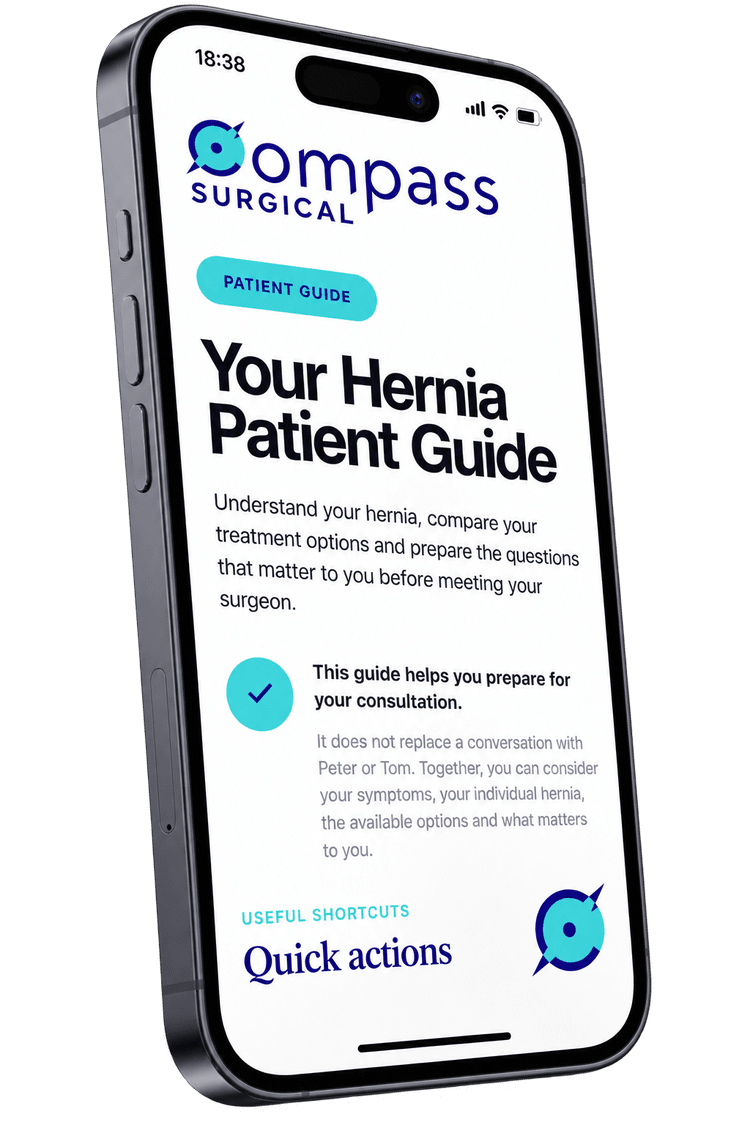
The information is usually there. The pathway often isn't.
Most services already provide good patient information. The problem is that it often sits across different consultations, documents, messages and webpages.

The patient is left to connect it.
The patient journey continues after the consultation. Information needs to remain useful as the patient reflects, asks questions and moves through care.
What happens after clinic matters.
Patients keep thinking after they leave the room. Questions emerge, whānau become involved and what matters to the patient often becomes clearer.
Information becomes more useful when patients can do something with it.
Loupa gives patients a structured way to revisit the discussion, identify their priorities, save questions and reconnect with the clinical team when something still needs to be addressed.
What matters to you?
The hernia pathway asks patients to identify what matters to them before returning to the clinical conversation.
What would make treatment worthwhile?
My questions
Let your surgical team know
You have 2 saved questions that have not yet been marked as discussed. The questions stay on your device and are not sent automatically.
In the live pathway this opens the patient's own email app. Saved question content is not transmitted.From the live Compass Surgical hernia pathway. Patients can identify priorities, save questions and signal when further clinical discussion is needed.
Loupa does not move the consent conversation online. It gives patients a better way to prepare for, participate in and return to that conversation.
Where Loupa sits is defined by the clinical pathway. It may follow a specialist consultation, begin at booking, or prepare a patient before a direct-to-test investigation.
Designed for patients to use.
Loupa combines trusted clinical information with simple tools that help patients navigate, understand and participate in their care.
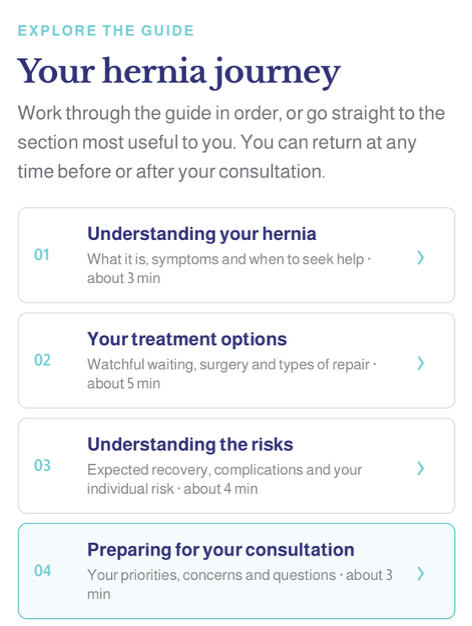
Orientate me
See the care journey, navigate between sections and find what matters now.
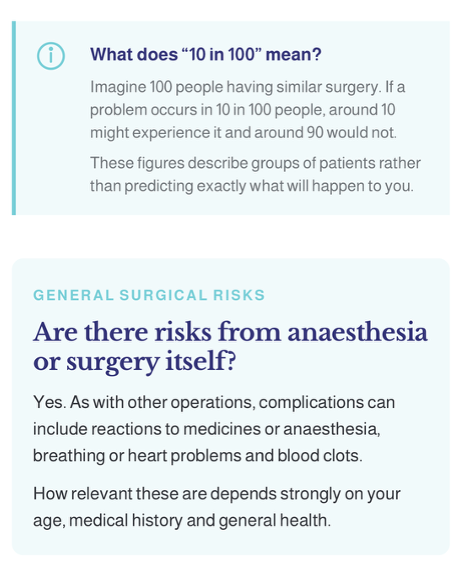
Help me understand
Explore options, risks and practical information in manageable sections that can be revisited.
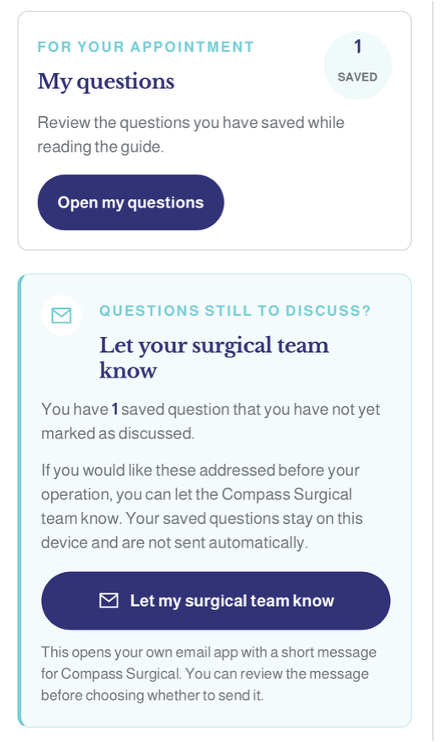
Help me participate
Save questions and what matters to you as they arise. If questions remain undiscussed, let the healthcare team know by email that further discussion is needed.
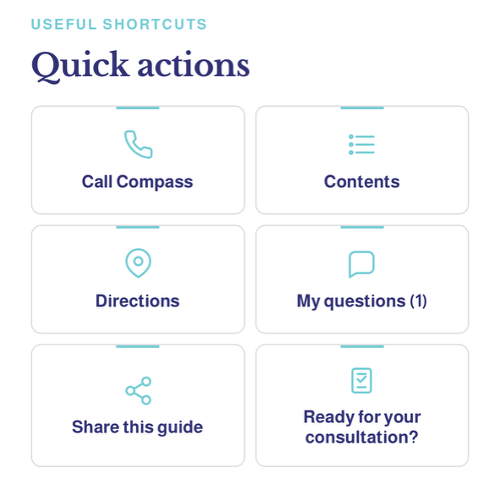
Keep me connected
Keep contact details, sharing, saved questions and useful actions close at hand throughout care.
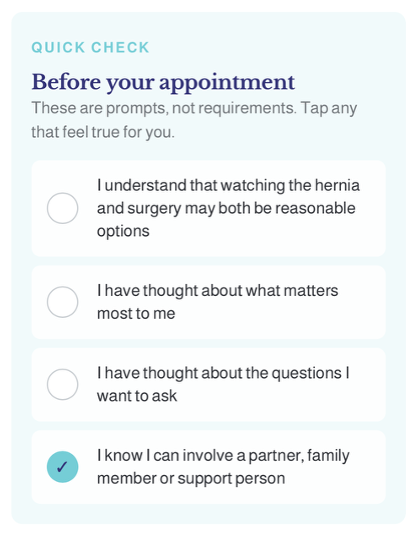
Help me prepare
Bring practical instructions and next steps into the same pathway as the clinical information.
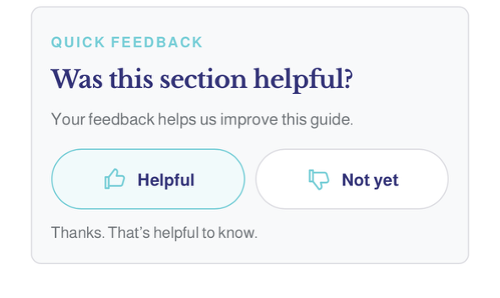
Learn from me
Simple usefulness feedback gives the service a signal about where information may be improved.
These are genuine product interfaces. Examples shown are from the live Compass Surgical hernia patient pathway.
Simple for the patient. Purposeful at every step.
See Loupa in practice.
Explore three patient pathways currently in use by Compass Surgical in Auckland.
Hernia
Consultation, treatment decisions, preparation, surgery and recovery in one pathway.
Explore the hernia pathwayGallbladder
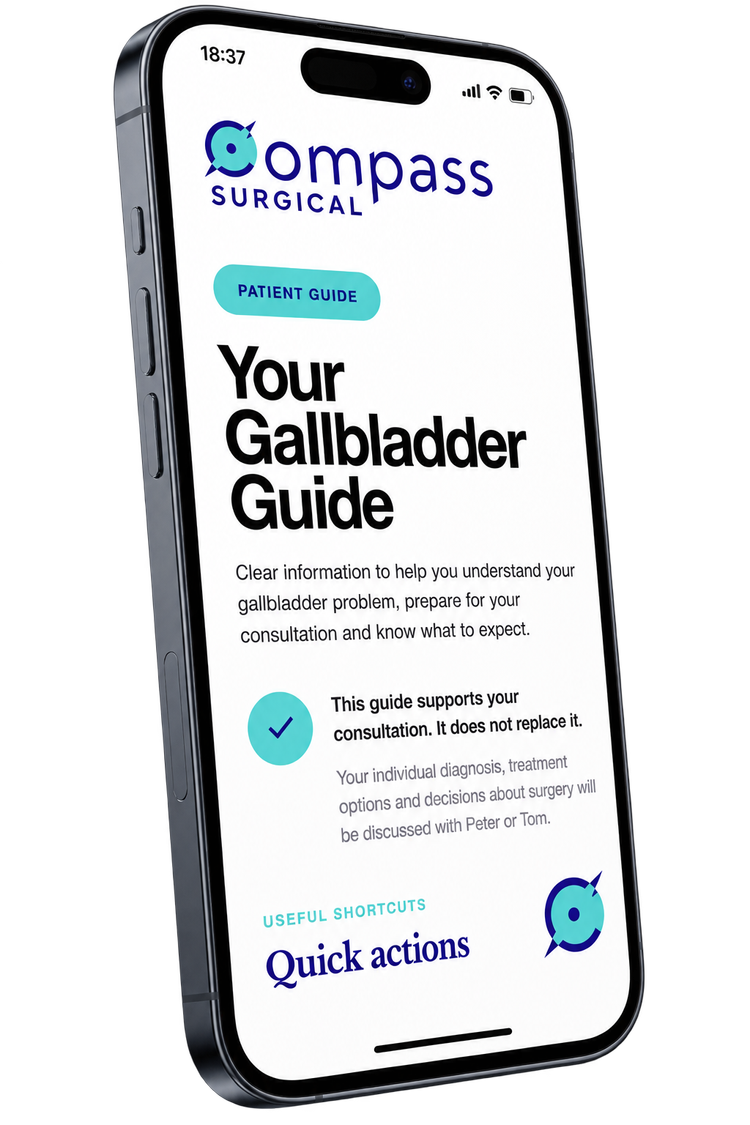
Treatment options, risks, preparation and recovery around gallbladder surgery.
Explore the gallbladder pathwayLumps & bumps
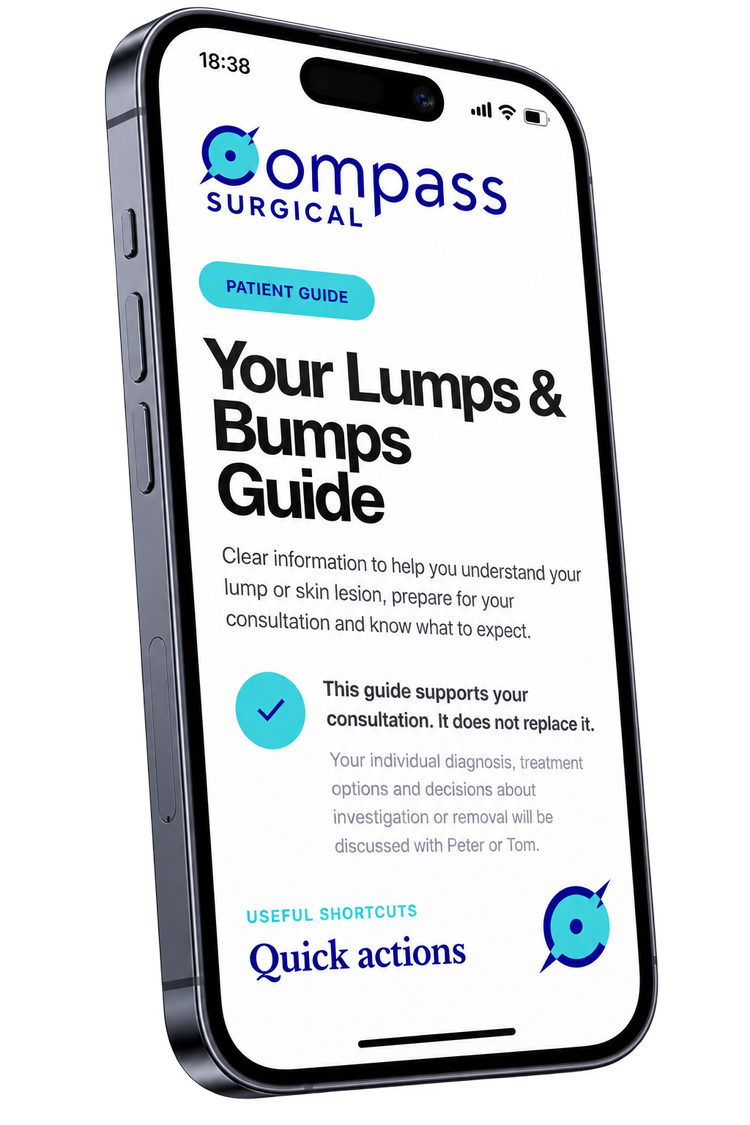
Consultation, treatment options, procedures and what to expect afterwards.
Explore the lumps & bumps pathwayStart with one pathway. The same architecture can then be adapted across further procedures, teams and services.
Start with one pathway.
Loupa is built around the clinical service you already have, rather than asking you to redesign your systems around the platform.
Choose a patient journey
Start with one procedure, investigation or clinical pathway where better patient information would help.
Map the pathway
Loupa reviews the information, workflow, timing and patient touchpoints already used by your service.
Review and approve
Your nominated clinicians and service team review the pathway before it goes live.
Launch and improve
Share by link or QR code, then use patient and staff feedback to guide controlled improvements.
One pathway is enough to begin. Expand only where the approach proves useful for patients and the service.
Built to be part of a clinical service.
Good patient information needs clear clinical ownership, reliable processes and controlled review, not simply accurate words on a webpage.
Named responsibility.
Content is reviewed and approved by nominated clinicians from the service providing care.
Make the pathway reliable.
Timing, contact routes, changed plans and responsibilities are considered as part of the pathway, not left outside the patient information.
Features with a reason.
Loupa draws on evidence from patient information, shared decision-making, question prompting, preparation and quality improvement.
Support the human process.
Loupa helps make information, reflection and questions easier to carry between clinical conversations while responsibility for clinical decisions remains with the patient and healthcare team.
Developed with local rights and professional standards in mind.
Loupa has been developed with reference to the Code of Health and Disability Services Consumers' Rights, relevant Health and Disability Commissioner decisions and Medical Council of New Zealand guidance on informed consent and shared decision-making.
It should feel like part of your care.
Loupa provides the digital architecture. The pathway itself is shaped around the service patients already know and the care they are actually receiving.
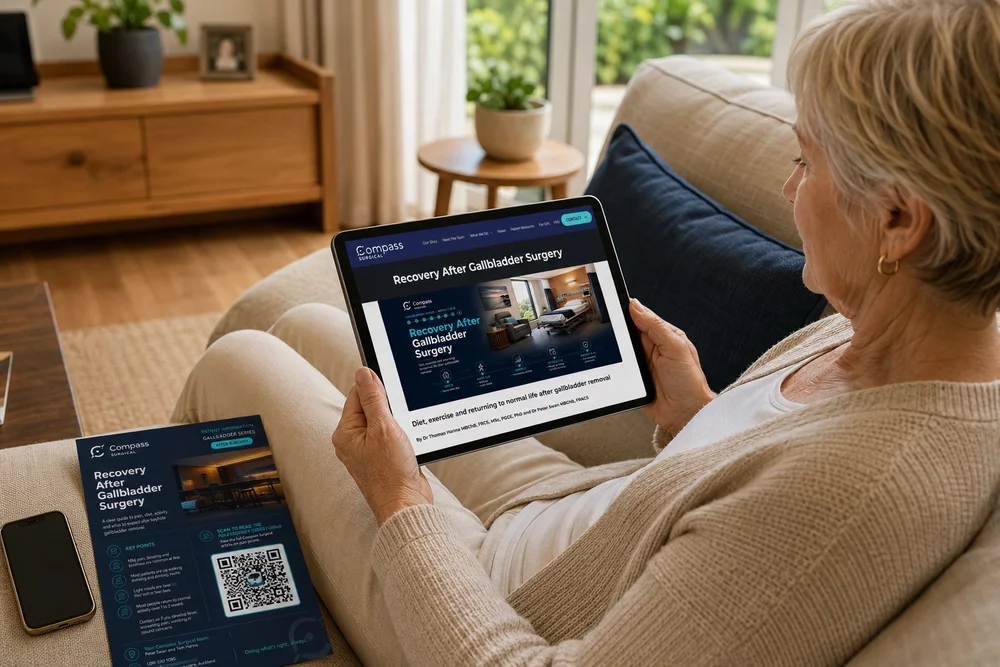
The pathway can continue beyond the consultation while remaining recognisably connected to the clinical service providing the care.
Patients should feel they are still within the care of their clinical service, not that they have been sent somewhere else to read.
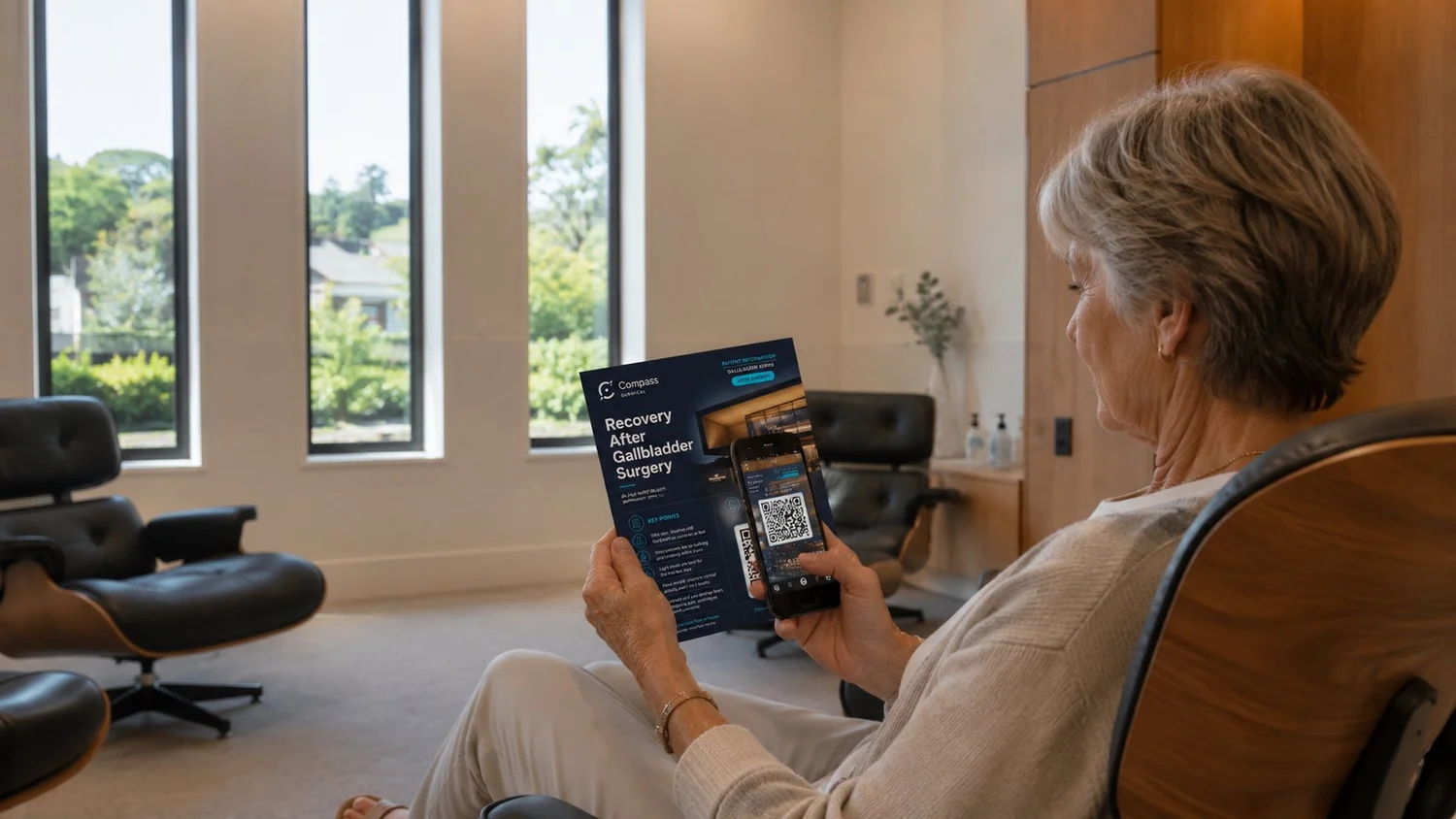
Use the channels patients already know.
A Loupa pathway can be introduced through the communication routes already used by the service.
The QR card, email or link is simply the doorway. The pathway remains available for the patient to return to later.
Patient information should improve over time.
Loupa can provide simple aggregate signals that help a service review how its patient information is being used and where it may need refinement.
Learn from real use.
Pathway data and patient feedback can provide useful inputs into a controlled review process.
Publish. Observe. Review. Improve.
Patient information can become a maintained clinical resource rather than a document that is published once and forgotten.
These signals evaluate the information system. They do not establish that an individual patient understood the information or gave informed consent.
Built for defined clinical journeys.
Loupa is most useful where patients move through a recognisable pathway and need information, preparation and opportunities to participate along the way.
Specialist practices
Extend the consultation into a structured patient pathway before and after treatment decisions.
Surgical and medical specialtiesProcedural services
Combine preparation, procedure information, recovery and safety-netting in one accessible journey.
Endoscopy · imaging · day proceduresPrivate hospitals
Develop consistent patient pathways across procedures, specialists and clinical teams.
Single pathway to multi-service libraryPublic hospital services
Support longer pathways spanning assessment, waiting, treatment, preparation and recovery.
Pathway or service-level implementation
Developed from within clinical practice.
Dr Thomas Hanna
MBChB · FRCS · MSc · PGCE · PhD
Surgeon and medical educator based in Auckland, and founder of Loupa.
Loupa grew from the practical challenge of making patient information more useful across the full clinical journey, while keeping clinical judgement, communication and decision-making with patients and their healthcare teams.
The aim is not to digitise a leaflet. It is to make patient information a more useful part of clinical care.
Make your patient information part of the pathway.
If your service already provides patient information, Loupa can help turn it into a locally tailored, clinically governed pathway built around the care you already provide.
A practical starting point: one clinical team, one defined patient journey and the information you already use.